

A Zimbabwean recycling initiative that turns discarded plastic into construction material has won the 2026 Wilderness Impact Challenge, securing US$100,000 to expand its operations in Victoria Falls.
Victoria Falls generates an estimated 100 tonnes of plastic waste each month, much of which cannot be processed locally. Some ends up in surrounding wild areas, where it can be ingested by wildlife, while other waste is burned, releasing toxic fumes.
Ele-Collection, based in Victoria Falls, is tackling the problem by paying local people to collect plastic and processing it into eco-aggregate, a lightweight material that can be incorporated into concrete. The organisation currently processes about 30 tonnes of plastic a month and supports more than 40 collectors, many of them women.
The US$100,000 award will be used primarily to increase processing capacity at its Victoria Falls facility. According to co-founder Ben Norton, the organisation’s collection network is already capable of recovering considerably more plastic, but processing capacity remains the main constraint.
‘This funding gives us the opportunity to upgrade our machinery and move from tackling just one-third of Victoria Falls’ plastic problem towards dealing with all of it,’ said Norton.


Ele-Collection was selected from more than 80 applications and three finalists in the second Wilderness Impact Challenge. The annual initiative, run by the Wilderness Trust, supports practical solutions to conservation challenges across Africa. This year’s focus was the conservation economy, with an emphasis on creating economic opportunities for communities living alongside wild places.
Wilderness Trust chairman Charles Douglas said the winning project demonstrated how conservation and livelihoods could be addressed together.
‘When we can uplift communities by creating economic opportunities linked to conservation, people are able to see and share in the benefits of protecting the landscapes around them,’ he said.
The challenge’s other two finalists, CLAWS in Botswana and Wild Survivors in Tanzania, will each receive US$25,000.
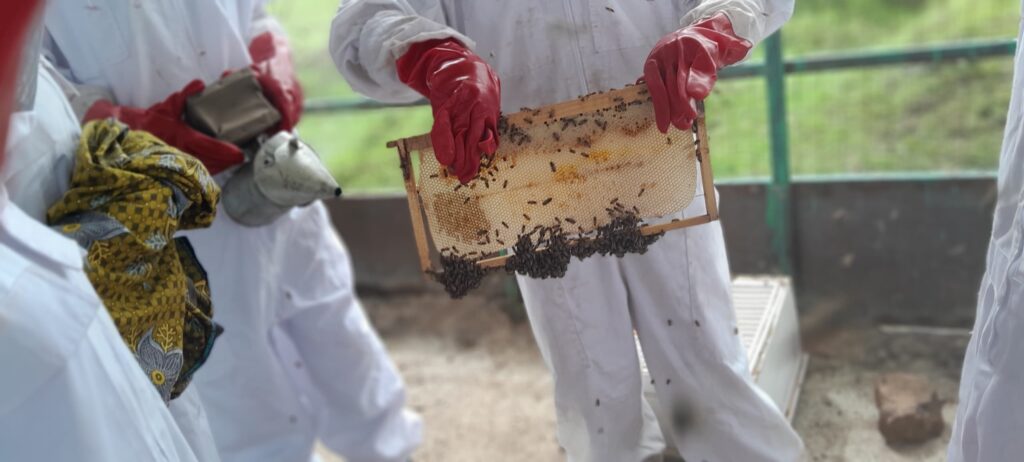
CLAWS works with cattle farmers in Botswana’s Okavango Delta to reduce conflict between livestock owners and lions, including through a wildlife-friendly beef supply chain. Wild Survivors addresses human-elephant conflict in Tanzania’s Serengeti ecosystem through women-led enterprises focused on beekeeping, regenerative agriculture and products linked to tourism markets.

For Ele-Collection, the immediate priority is Victoria Falls, but Norton says the model could eventually be expanded to other areas where plastic pollution threatens wildlife and communities.
‘If we can prove that cleaning up plastic can work financially while creating livelihoods and protecting wild spaces, there is no reason it cannot be adopted elsewhere in the region,’ he said.
The Wilderness Trust will work with Ele-Collection as it scales up its operations and monitor the project’s progress. The 2026 Impact Challenge was supported by the Michael and Karen Stone Family Foundation.


