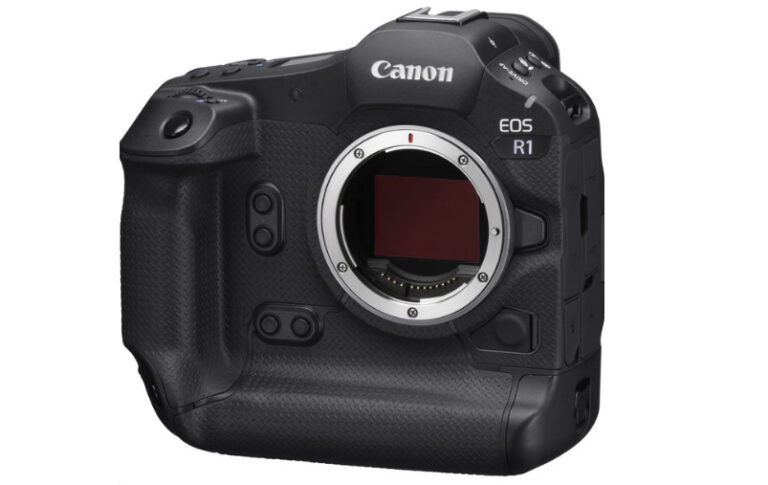
The shift to mirrorless cameras for wildlife photography has been expensive but rewarding for birders. Sony set the pace, forcing traditional market leaders Canon and Nikon to switch from SLR to mirrorless systems. Since 2020, Canon has released a series of camera bodies with animal eye-focus, one of the main advantages of going mirrorless (see African Birdlife 9(3): 56-60), but it was only in 2024 that they finally released the R1, the replacement for their professional 1D SLR series. I was excited to be able to borrow one to assess first-hand how it performs.
First Impressions: Ergonomics and EVF
The first thing that strikes you when you pick up an R1 is how well it fits into your hand. The ergonomics are stunning. And looking through the camera brings back happy memories of using an SLR due to the fine clarity. The electronic view-finder (EVF) is the largest and has the highest resolution of any Canon camera to date. After using the R1, it was hard to go back to the much smaller EVFs in the R6 and R7.
Weighing in
Like all Canon’s 1D bodies, the R1 has a much larger battery than most other Canon cameras. Many controls are duplicated, making it as easy to shoot portrait as landscape images. It closely resembles the R3, which was released a few years ago but lacked sufficient weatherproofing for it to be awarded the coveted R1 marque (see African Birdlife 10(6):60-63). Due to its outstanding build quality, the R1 weighs 100 g more than the R3. It certainly feels rugged; I was confident to use it in the challenging field conditions on Marion Island, where it shrugged off mud, rain and snow with aplomb. However, it is substantially heavier than Canon’s other mirrorless bodies, weighing nearly 50% more than the R5 and over 80% more than the R7. As a result, I resisted the temptation to carry it on round-island trips.
R1 vs R5 Mark II: the image debate
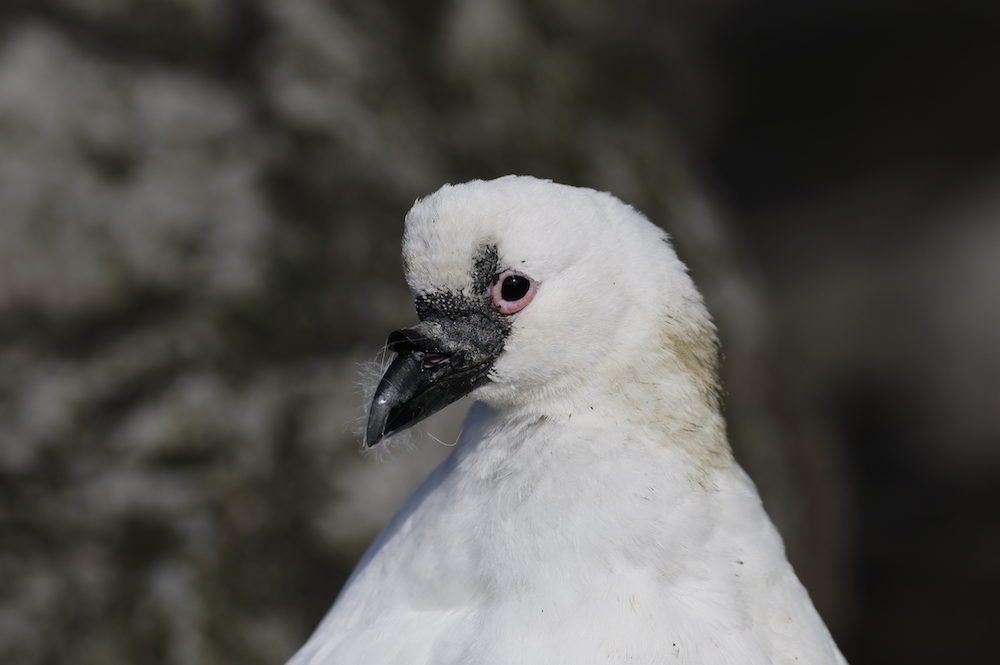
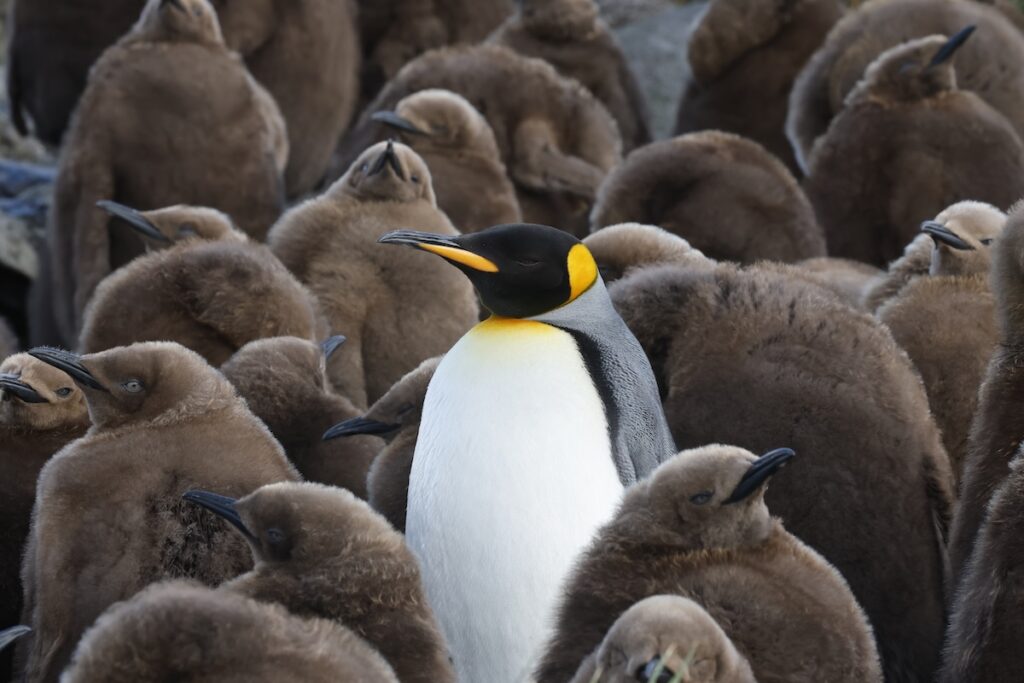
Canon released the R1 at the same time as upgrading the popular R5 with a mark II version. Many new features are found in both bodies, resulting in reviewers questioning why you would pay appreciably more for the R1, especially given its relatively low image size (24 megapixels). The R5’s 45 megapixels allow you to crop tighter or print larger images. However, the difference is not as marked as you might think; R5 images have just over one third more pixels in linear terms than the R1.
Autofocus and speed: where the R1 shines
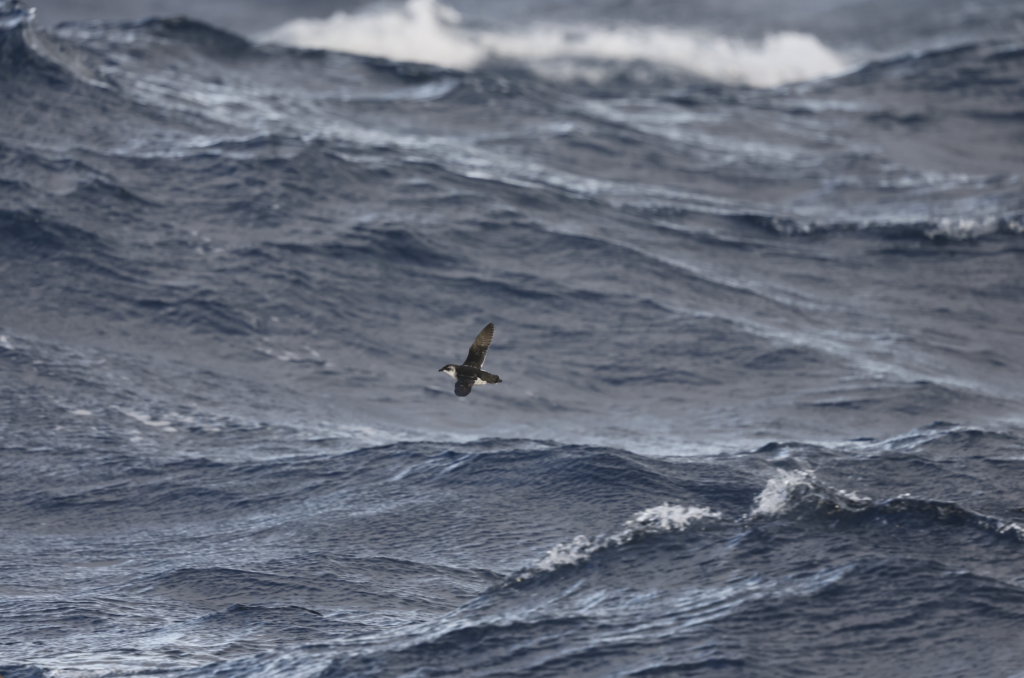
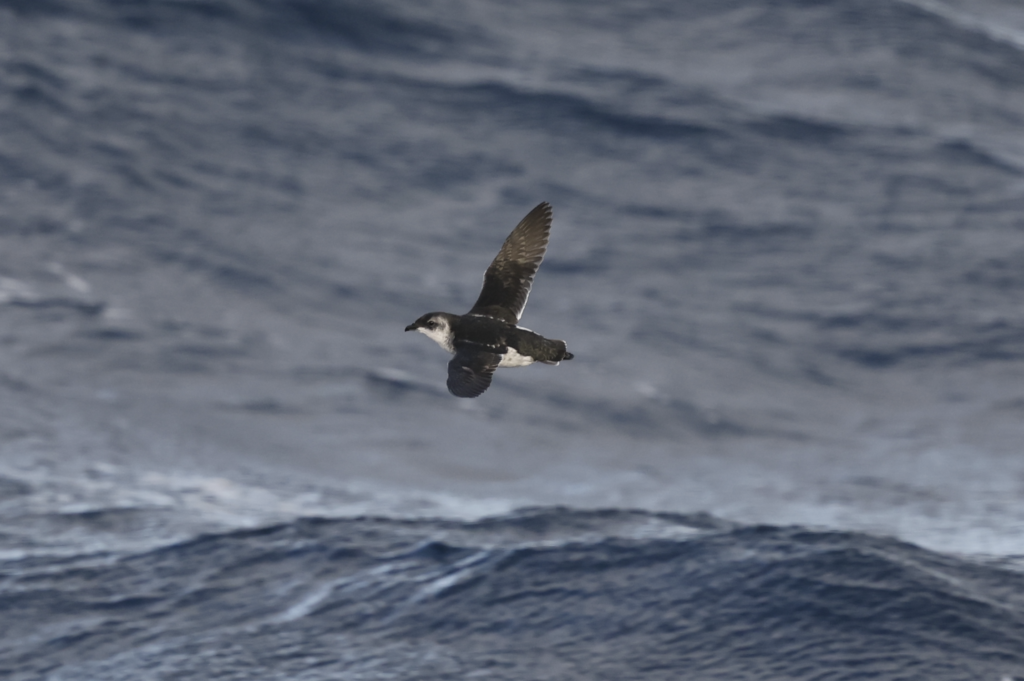
On the plus side, the R1 has a much faster write speed than the R5 mark II, virtually eliminating rolling shutter issues when using the electronic shutter, which peaks at 1/64,000 of a second and can record up to 40 frames per second. As you would expect, both boast impressive focussing ability, but the R1 has the edge on the R5 thanks to its cross-type focus points. It was uncanny how it managed to lock onto small seabirds against a busy ocean backdrop. The autofocus also performs substantially better than the R5 in low light conditions. As a result, many leading bird photobloggers have reversed their initial stance, and now rate the R1 ahead of the R5 mark II.
Precapture mode: standout feature
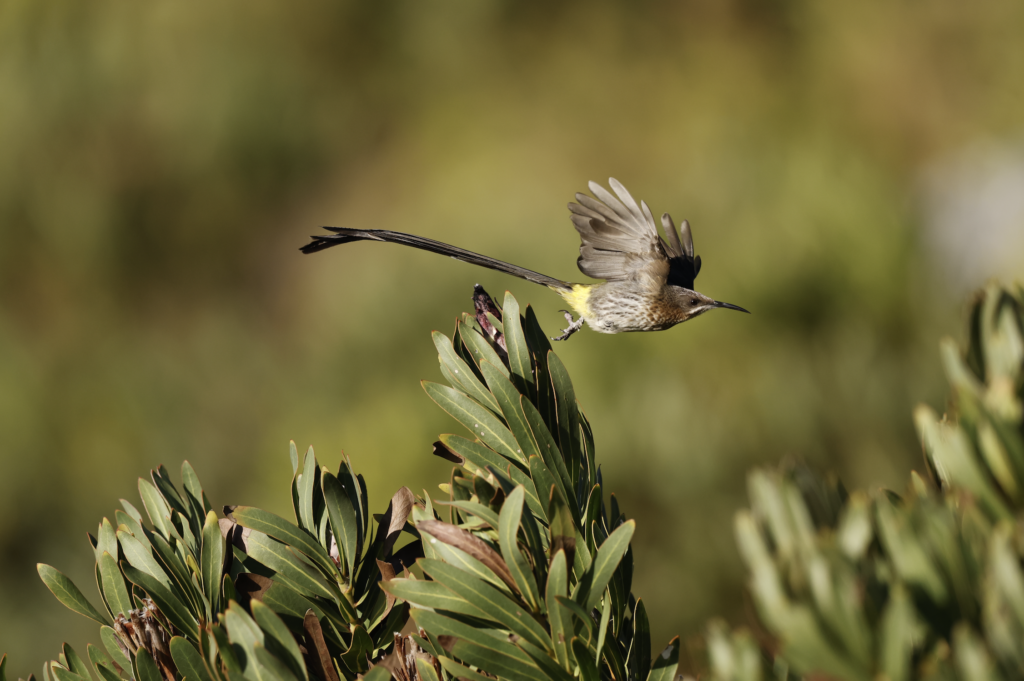
One of the big advances in the R1, which it shares with the R5 mark II, is the addition of a ‘precapture’ mode that stores half a second’s worth of images in memory while you have the shutter half pressed. These images are written to the memory card once you fully press the shutter release. This only works in electronic shutter mode, so unless you throttle back the image rate, you capture an additional 20 images every time you press the shutter. As a result, I was quite discriminating in using the precapture mode. Indeed, most of the time on Marion I used the mechanical shutter, which shoots a maximum of 12 frames per second.
Looking ahead
Canon’s R1 continues the 1D tradition of being a professional workhorse for people who need an ultra-reliable, fast camera to capture action sequences. My dream scenario would be to have an R1 for most bird photography and an R5 for landscapes and portraits. But I can’t justify the expense, especially with new developments redefining what is possible in terms of photographing birds in action. Sony’s α9 III captures up to 120 frames per second with a global sensor that writes the entire image at once, eliminating any rolling shutter issue. Image quality is not on a par with the R1, but it puts more pressure on Canon to develop a global sensor. For now, I’ll continue to take great images with my R7, and wait to see what the new R7 mark II has to offer. Peter Ryan