24 July 2026 – Three community-led initiatives from Botswana, Tanzania and Zimbabwe have been shortlisted for the 2026 Wilderness Impact Challenge, a competition that rewards innovative solutions that strengthen Africa’s conservation economy while improving livelihoods.
The finalists were selected from more than 80 entries submitted from around the world, with this year’s Challenge focusing on projects that make conservation economically viable for the people living alongside wildlife.
“The calibre of entries this year was truly exceptional,” said Charles Douglas, chairman of the Wilderness Trust. “We were encouraged not only by the creativity and quality of the ideas submitted, but by the commitment to building conservation economies that deliver lasting value for both people and nature. Selecting just three finalists was no easy task.”
Each of the shortlisted projects uses enterprise to address a pressing conservation challenge.
Zimbabwe’s Ele-Collection employs women to remove plastic waste from conservation-sensitive landscapes before converting it into eco-aggregate for the construction industry. The initiative tackles both plastic pollution and unemployment, creating income while helping to keep wild areas free of waste.


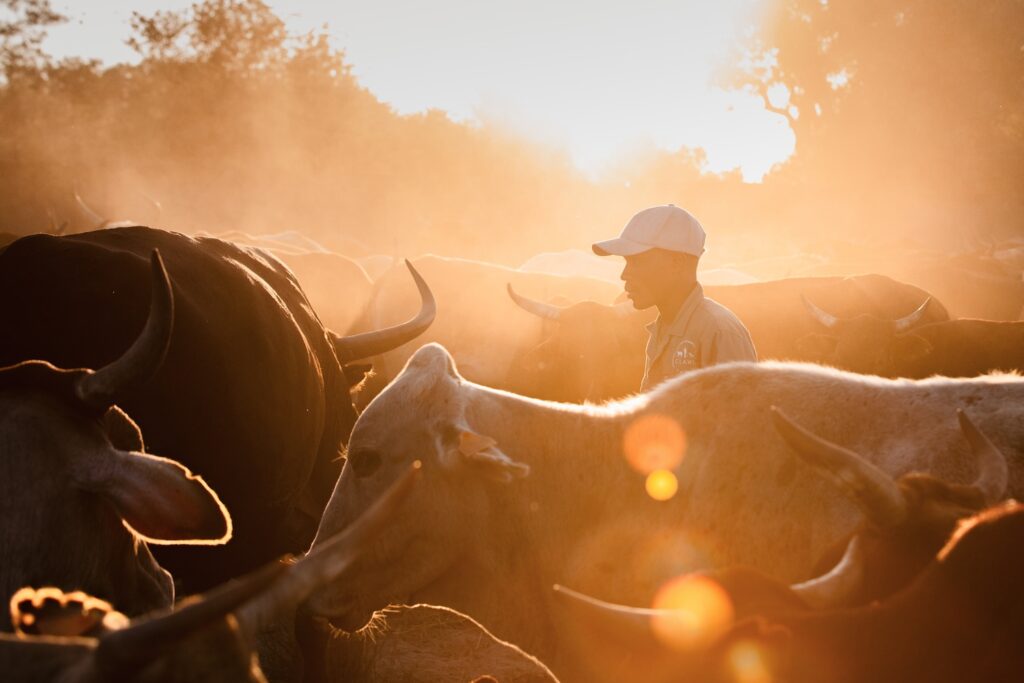
In Botswana’s Okavango Delta, Communities Living Among Wildlife Sustainably (CLAWS) is working with cattle farmers to improve traditional herding practices and establish Africa’s first Certified Wildlife Friendly™ beef supply chain. By reducing conflict between livestock and lions while giving farmers access to premium markets, the project aims to make wildlife conservation a tangible economic asset for rural communities.

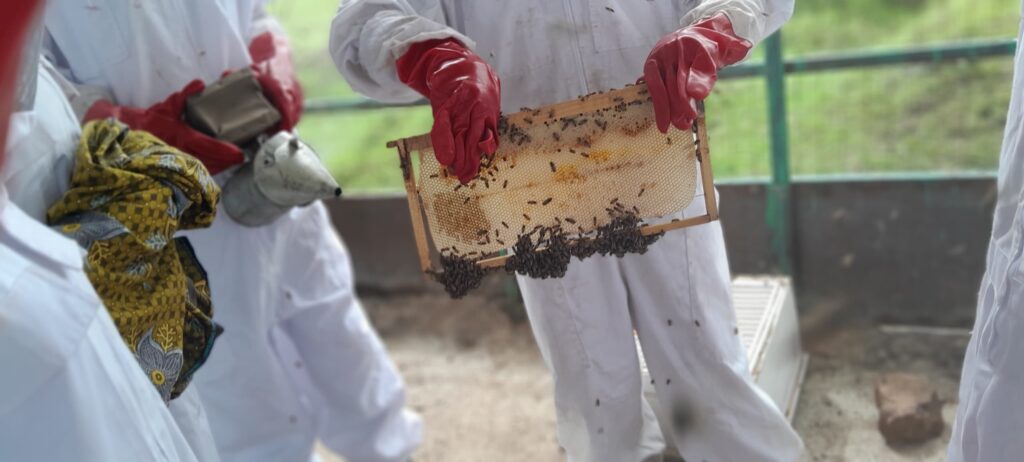
Wild Survivors, based in Tanzania’s Serengeti ecosystem, has developed women-led enterprise hubs centred on beekeeping, regenerative agriculture and the production of honey and other organic products. By supplying nearby tourism operators and linking communities to conservation-friendly markets, the initiative creates sustainable livelihoods while encouraging coexistence between people and elephants.

“What stood out about these finalists is that, although they address different conservation challenges, they all arrive at the same conclusion: conservation efforts can be enhanced where they create meaningful economic opportunity in surrounding communities,” Douglas said. “Thriving communities and thriving wildlife don’t have to be competing goals, but can be mutually reinforcing ones.”
The winning project, to be announced at the end of August, will receive financial support worth US$100,000, together with strategic guidance from the Wilderness Trust to help expand its impact.
Last year’s inaugural Wilderness Impact Challenge was won by Wild Entrust Africa’s BioBoundary Project, a non-lethal, scent-based predator deterrent system that helps protect livestock while promoting coexistence with carnivores such as hyenas and leopards.