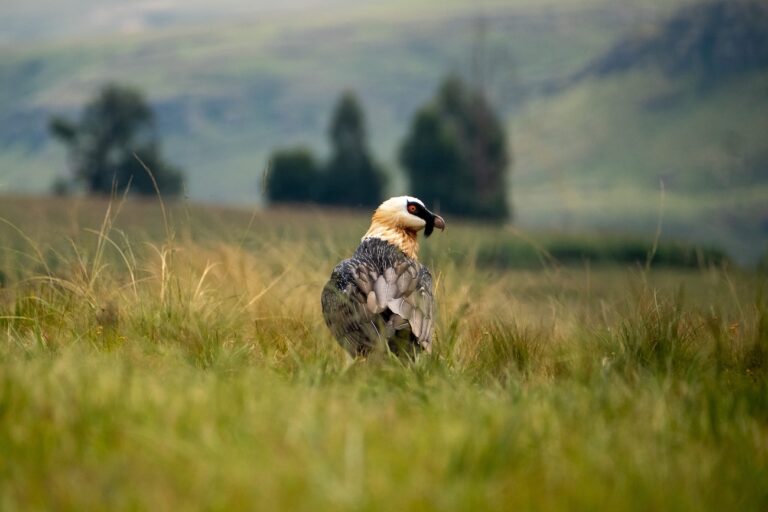
One of South Africa’s premier vulture-viewing destinations will welcome visitors again from 1 August 2026, when the Mzimkulu Vulture Hide near Underberg reopens after a temporary closure linked to regional Foot-and-Mouth Disease concerns.
Although vultures are not affected by the disease, access to the hide was suspended because it is situated on a working livestock farm. The closure was implemented as a precautionary measure and in support of broader community efforts to prevent the spread of the outbreak.
Located eight kilometres outside Underberg at the foot of the Maloti-Drakensberg World Heritage Site, the Mzimkulu Vulture Hide offers photographers and birders a rare opportunity to observe endangered Cape and Bearded vultures at eye level. The purpose-built hide accommodates up to six guests and features one-way glass that allows close-up viewing and photography without disturbing the birds.
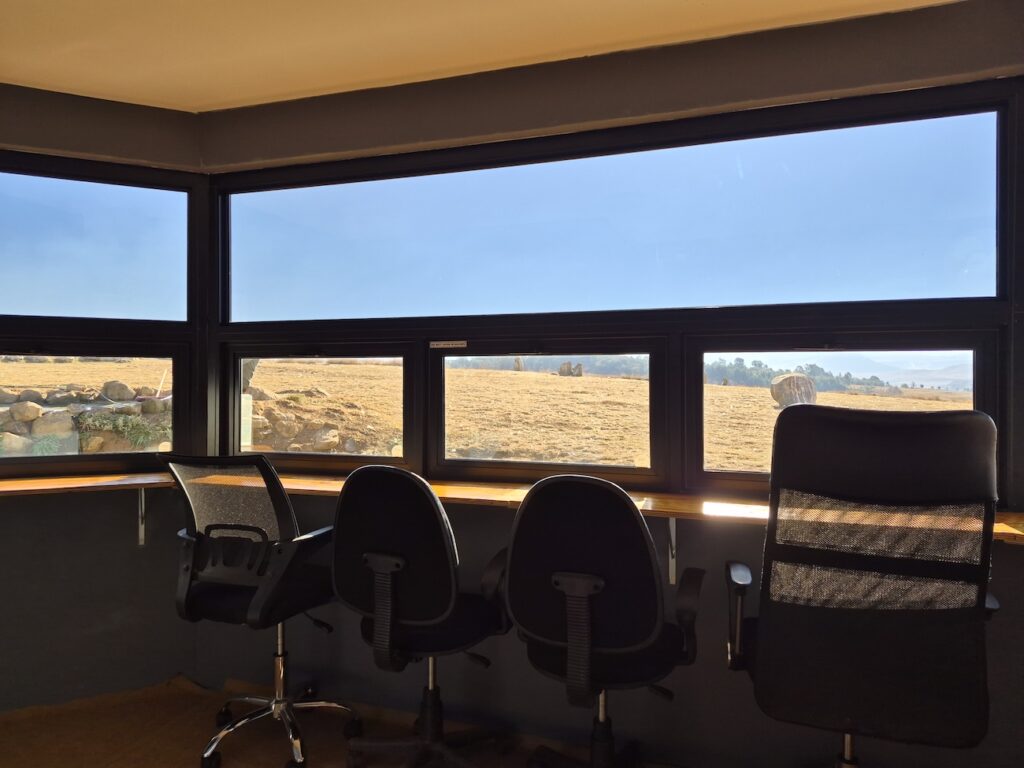
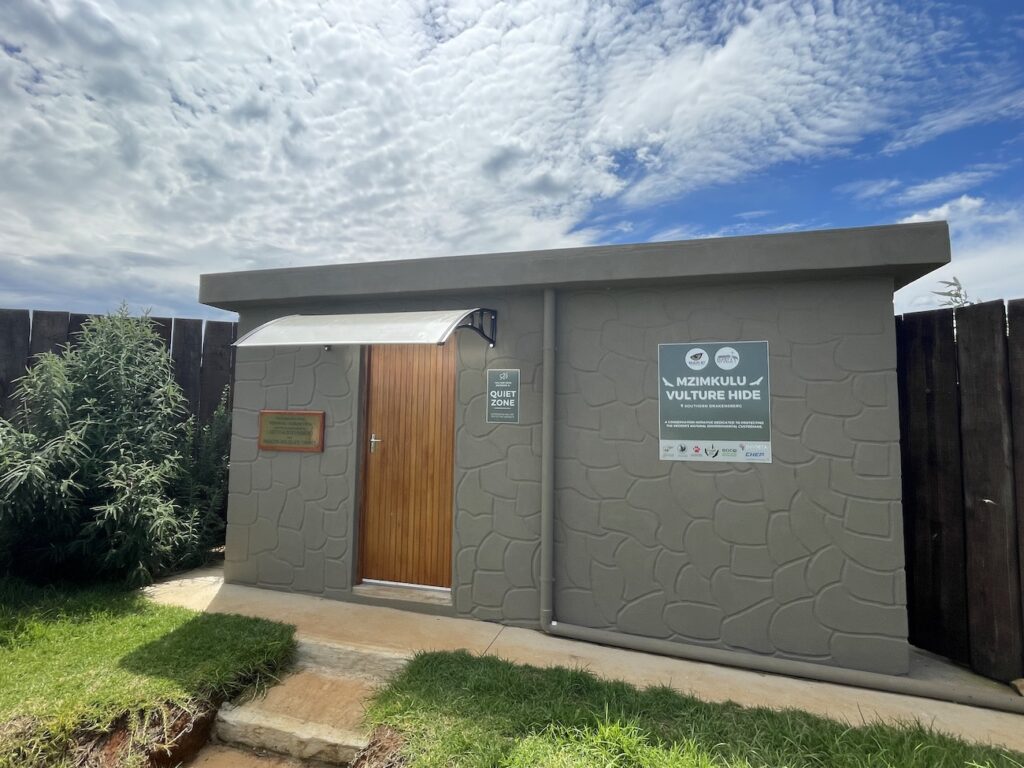
The hide forms part of Wildlife ACT’s Southern Drakensberg Conservation Project, a partnership with Riverlea Farm aimed at supporting cliff-nesting vulture species through the management of a safe feeding site. Conservation partners include Ezemvelo KZN Wildlife, Project Vulture, the Drakensberg Conservation Initiative, the Bearded Vulture Recovery Programme and the Endangered Wildlife Trust.
The reopening highlights the importance of vulture conservation in South Africa, where all six vulture species are now classified from Vulnerable to Critically Endangered. Wildlife ACT estimates that only 50 to 100 breeding pairs of Bearded Vultures remain in South Africa and Lesotho, while Cape Vultures number about 4,500 breeding pairs.
Vultures play a crucial ecological role by rapidly consuming carcasses and limiting the spread of disease among wildlife, livestock and humans. Yet they face growing threats, including poisoning, collisions with energy infrastructure, habitat loss and food shortages.
The Mzimkulu site operates as a Vulture Safe Feeding Site, where uncontaminated carcasses are provided as a supplementary food source. Such sites help address food shortages while also creating ecotourism opportunities that generate funding for ongoing conservation work. Revenue from visitor bookings is used directly to maintain the feeding site and hide.
Bookings for the hide must be made at least 48 hours in advance. Visitor numbers are kept low to minimise disturbance, ensuring that photographers, birdwatchers and nature lovers can enjoy a unique wildlife experience while contributing directly to the conservation of some of southern Africa’s most threatened birds.
For booking contact:
082 086 0924
Email: vulture@wildlifeact.com
Visit: www.saveourvultures.com