The Endangered Wildlife Trust (EWT), in partnership with the International Crane Foundation (ICF), is calling on birders, landowners and members of the public to take part in South Africa’s revived National Crane Census from 24–27 July 2026 under the banner “Every Count Matters.”
Last held annually between 1998 and 2006, the census is being revived using modern technology to provide an up-to-date picture of South Africa’s crane populations. This nationwide citizen science initiative will help estimate population sizes, map the distribution of the country’s three crane species, and provide essential information to guide future conservation and management.
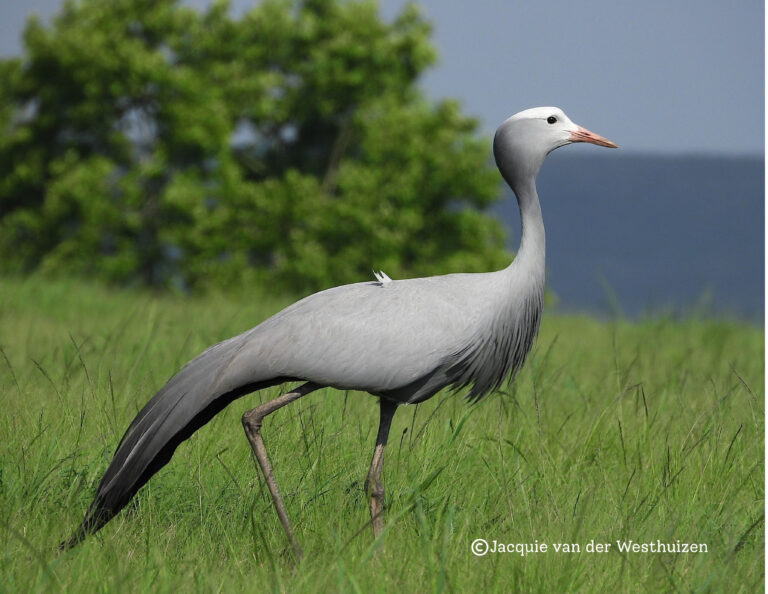
South Africa is home to the Blue Crane, Wattled Crane and Grey Crowned Crane, with the Drakensberg recognised as one of the few places in the world where all three occur together. Since the last national census, the EWT and ICF have relied largely on regional aerial surveys. While these indicate encouraging increases in crane numbers in parts of KwaZulu-Natal, populations of all three species are declining elsewhere, highlighting the need for comprehensive national data.
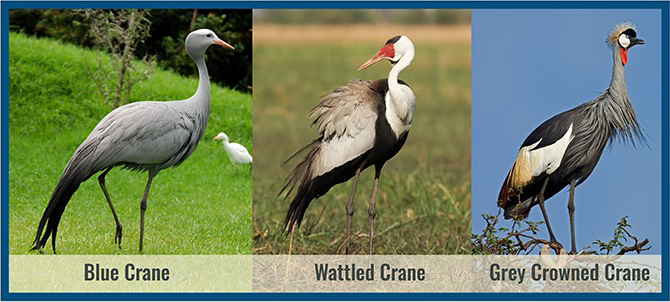
The conservation status of South Africa’s cranes reflects these mixed fortunes. The Blue Crane, the country’s national bird, was uplisted from Near Threatened to Vulnerable in the 2025 Red Data Book of Birds of South Africa, Lesotho and Eswatini. Thanks to sustained conservation efforts in the Drakensberg, the Wattled Crane has improved from Critically Endangered to Endangered, while the Grey Crowned Crane is currently listed as Vulnerable.
Cranes are considered flagship species for the conservation of wetlands and grasslands, ecosystems that continue to face increasing pressure from mining, development and agricultural expansion. They are also particularly vulnerable to collisions with power lines and other infrastructure. Monitoring their populations provides valuable insights into the health of these threatened habitats.
Participation in the census is simple. Between 24 and 27 July, observers are asked to record the number of cranes seen, the species and the location, and submit their sightings via WhatsApp to 060 086 9053 or by scanning the official QR code below, which takes you directly to the WhatsApp recording panel. All information will remain confidential and the results will be released once the data have been analysed.

Whether you are an experienced birder, a farmer, or simply enjoy spending time outdoors, your observations can make a real difference. Every sighting helps build a clearer picture of South Africa’s crane populations—and, ultimately, helps secure the future of these iconic birds.