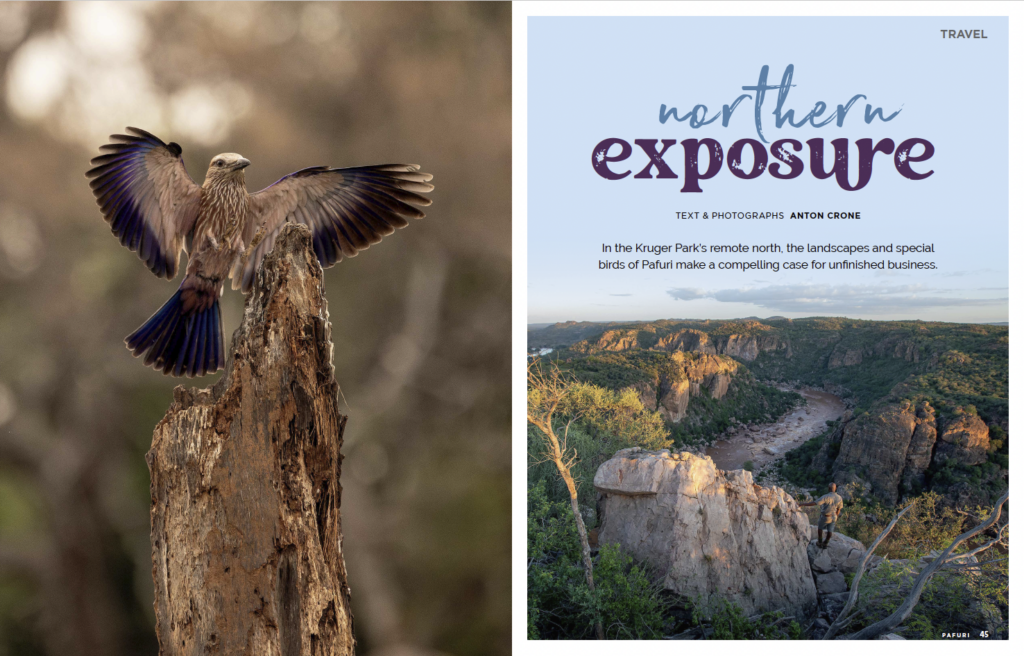
27 February – As I write this, the waters have subsided in Kruger National Park after double the seasonal average rainfall caused widespread infrastructure damage and the temporary closure of several camps. Among them was Return Africa’s Pafuri Camp, set on the banks of the Luvuvhu River. Thankfully they will reopen on 1 June after repairs. I was a guest there in late November, drawn back to the region’s breathtaking landscape and remarkable birdlife – my fourth visit in seven years, each time chasing one particular bird.
Floods are perilous for birds, bringing threats such as nest failure and displacement, while reshaping habitats after the waters retreat. Yet they also play a vital ecological role, rejuvenating landscapes and depositing nutrients that spark insect blooms and replenish food sources. Many species are finely attuned to these boom-and-bust cycles, moving in to exploit flooded areas for feeding and breeding once conditions stabilise.
This issue opens with News & Views keeping a finger on the pulse, from the Big Year of African Sounds to the latest National Biodiversity Assessment. Elsewhere we track rare sightings and seasonal movements, explore curious bird behaviour, and check in on citizen science through SABAP. We meet characters both feathered and human, celebrate our Bird of the Year, and challenge you with the Cryptic Conundrum.
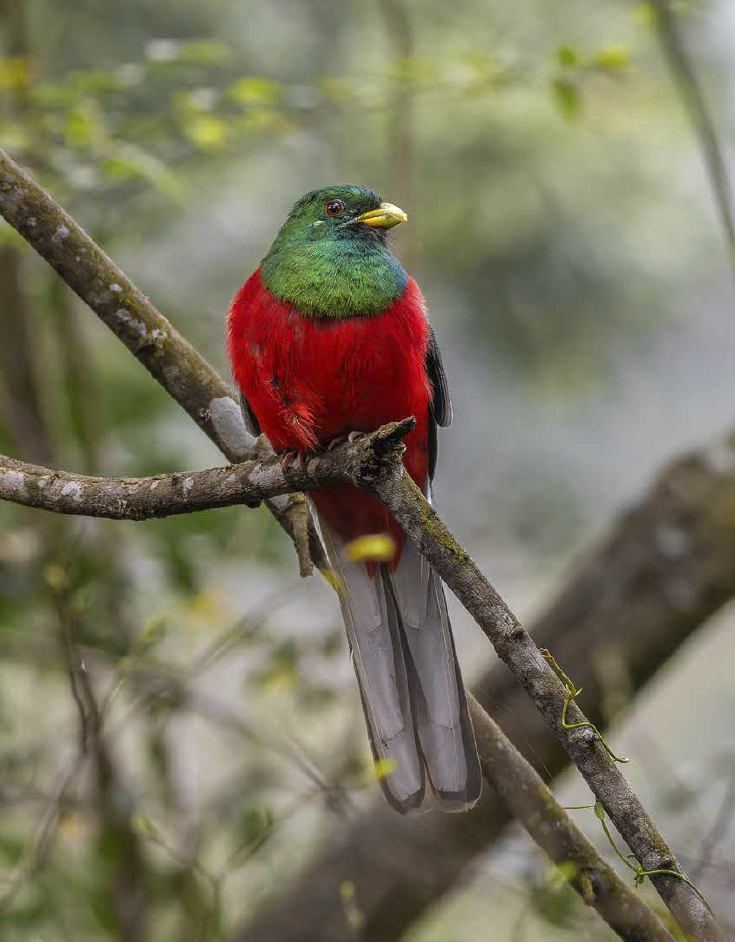
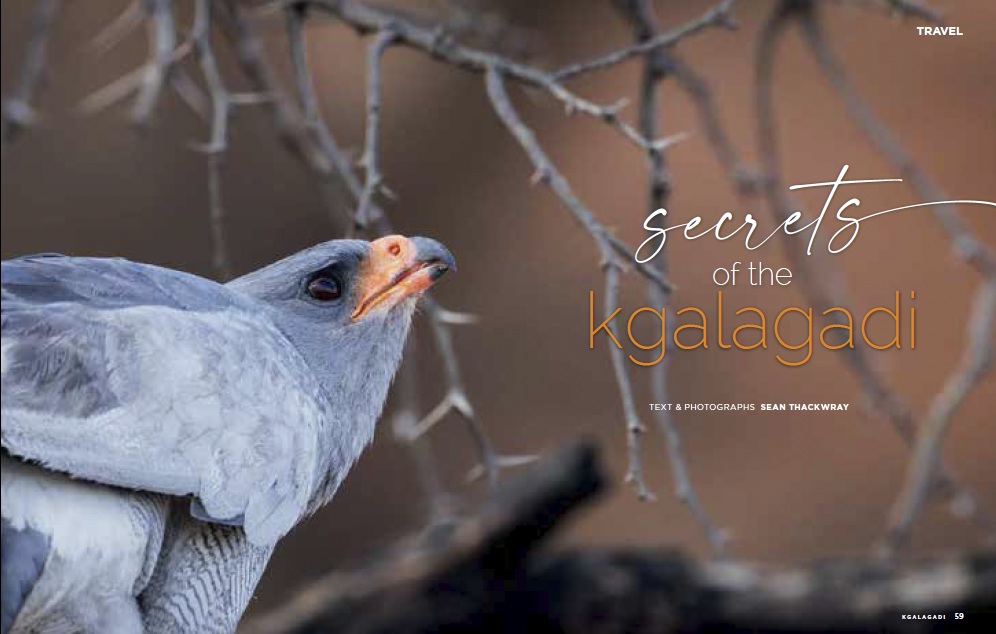
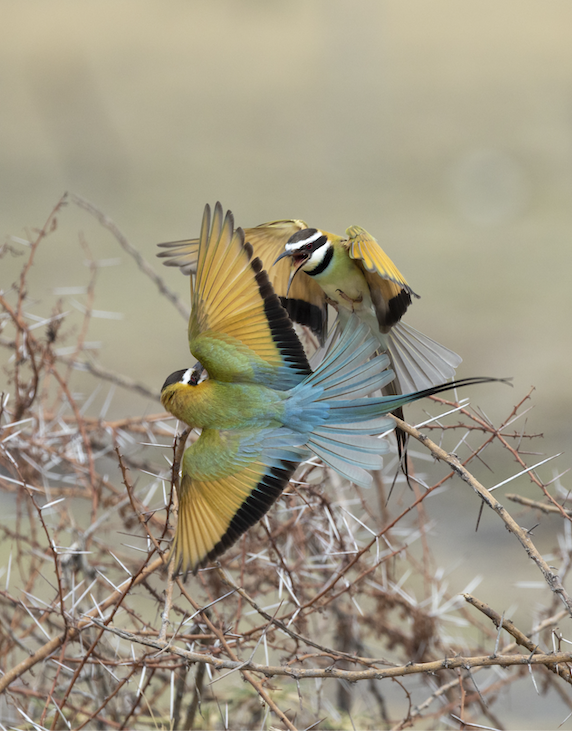
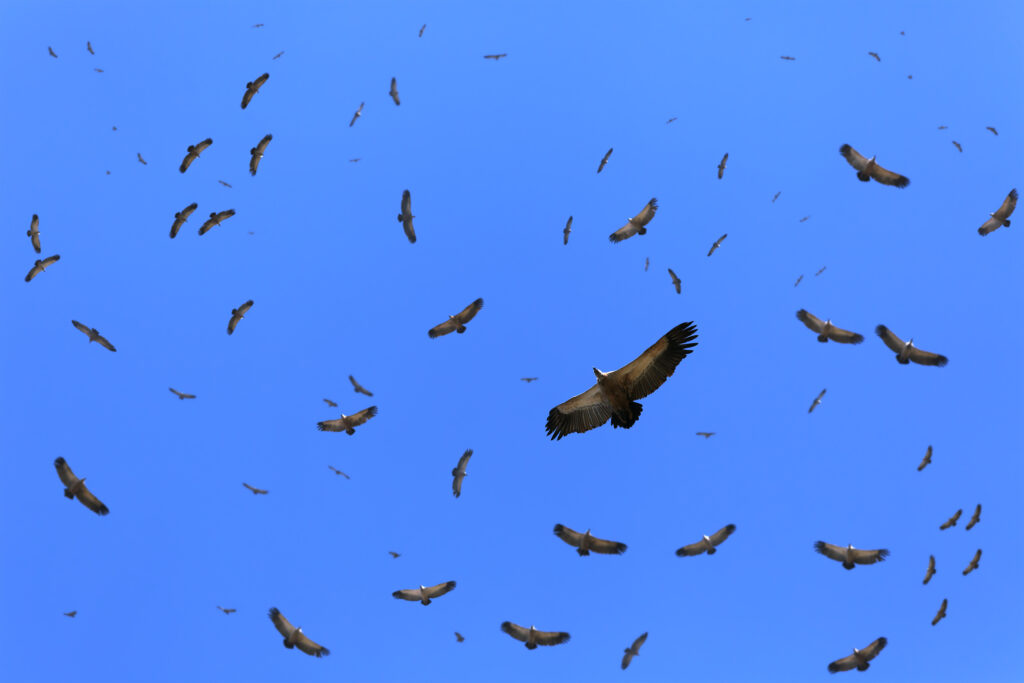
The features take us from cliff faces echoing with wingbeats at Cape Vulture Conservancy, to the wide skies of the Kgalagadi and the rewards of an overlooked reserve. Photography takes centre stage as birds command the air, and of course we travel to Kruger’s far north as summer migrants arrive on cue, returning to a landscape that never quite gives up its secrets, only hints that another visit is in the works.