Holding the Line
1 May – There is a quiet thread running through this issue: a story of change, human pressure, and the ways birds and the people who follow them respond.
We begin deep in time exploring with Birgette Cohen, discovering how early humans shaped our relationship with birds as both sustenance, and perhaps curiosity. It is a reminder that today’s understanding of avian life is only one chapter in a far older, more complex story.
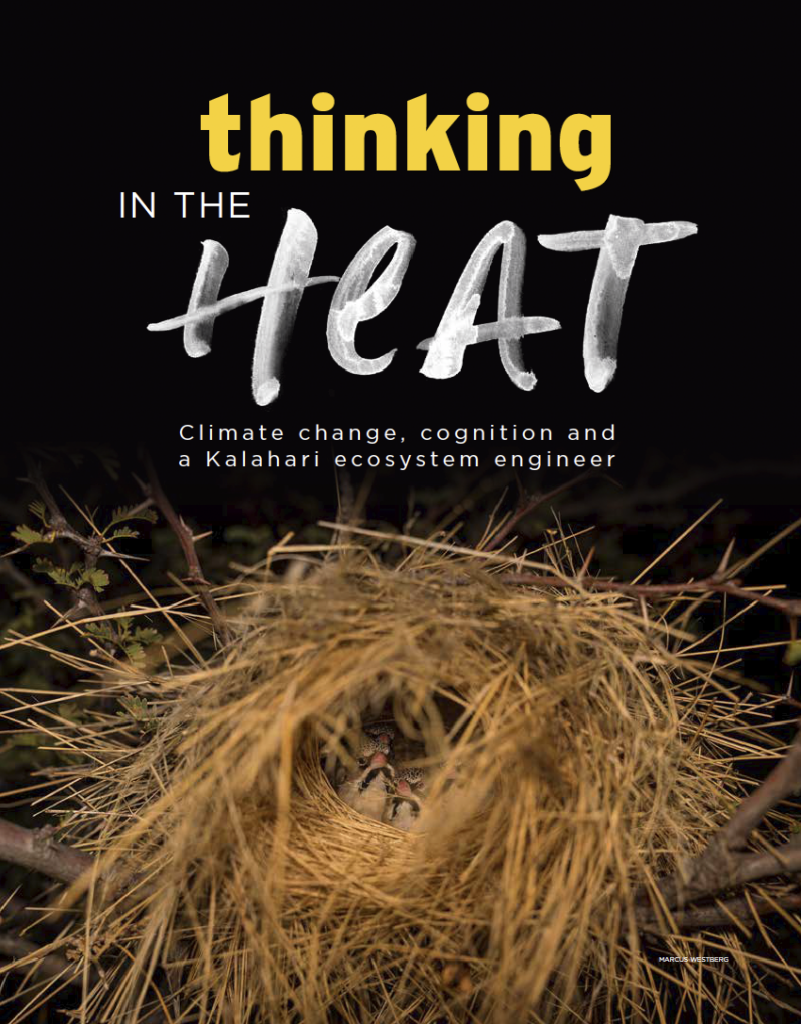
In the Kalahari, Ben Ashton look at what happens when rising heat begins to erode cognitive sharpness of birds. Through the ingenuity of the master nest-builder White-browed Sparrow-weavers, scientists reveal how climate change may ripple far beyond individual species, reshaping entire ecosystems.
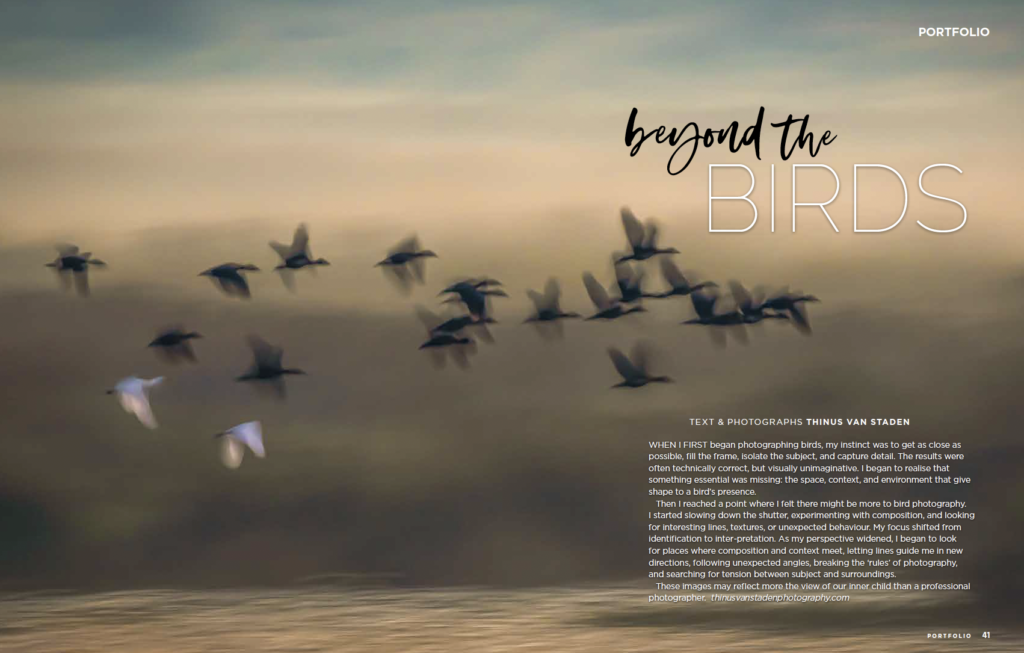
Seeing birds differently is central to the photographic journey. Moving beyond pure documentation, Thinus van Staden, a regular contributor and master photographer, embraces the wider environment, creating images that ask not just what we see, but how we see it.
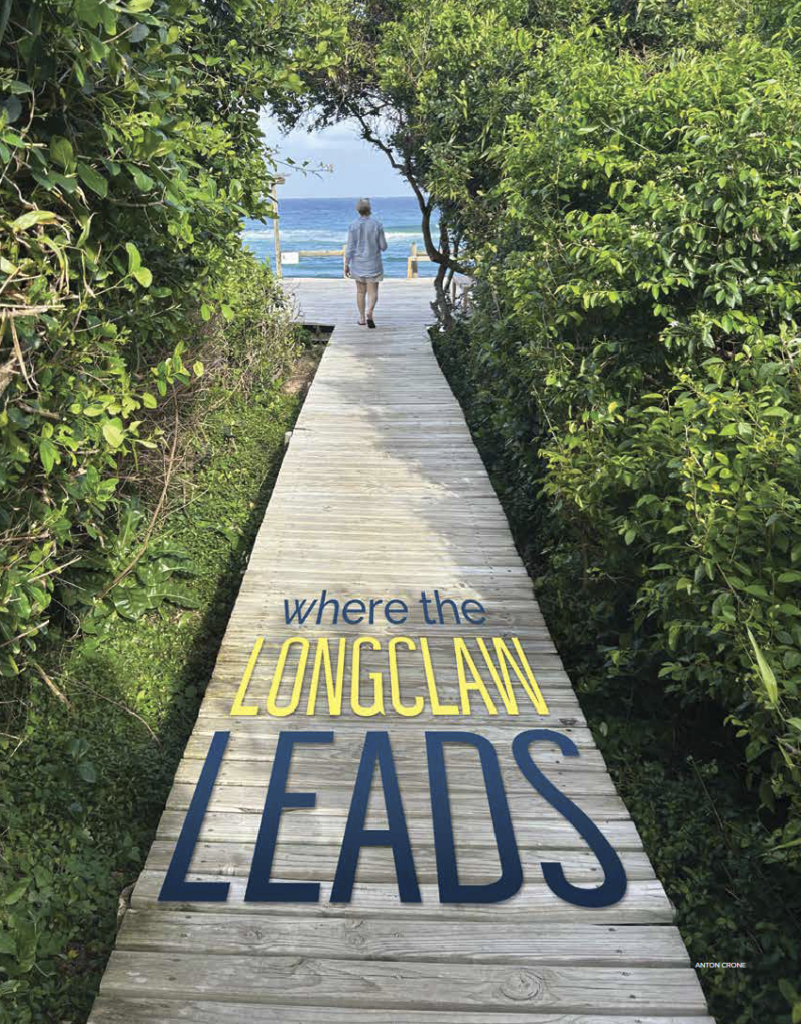
That idea carries into my own small quest for a single longclaw in Northern KwaZulu-Natal. The pursuit becomes a gateway to landscapes, marine life and connections, a reminder that focusing on one species often opens up much larger worlds.
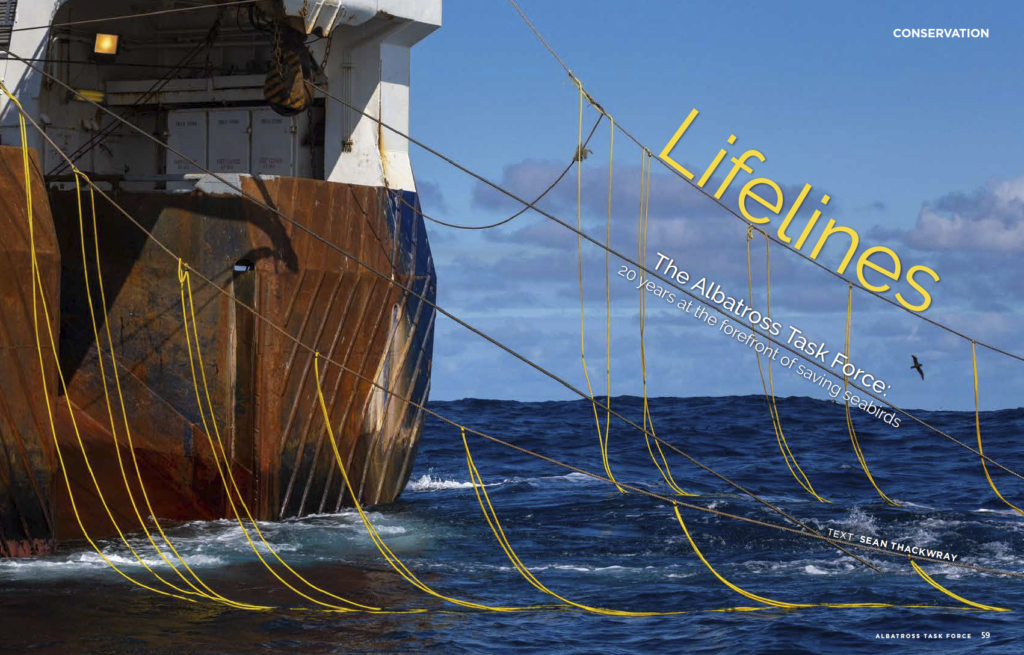
From there, we turn to one of conservation’s more hopeful stories. In Lifelines, Sean Thackwray examines the work of the Albatross Task Force, whose innovations have proves seabird bycatch can be reduced by up to 95 per cent. The challenge now lies in ensuring these solutions are widely adopted.
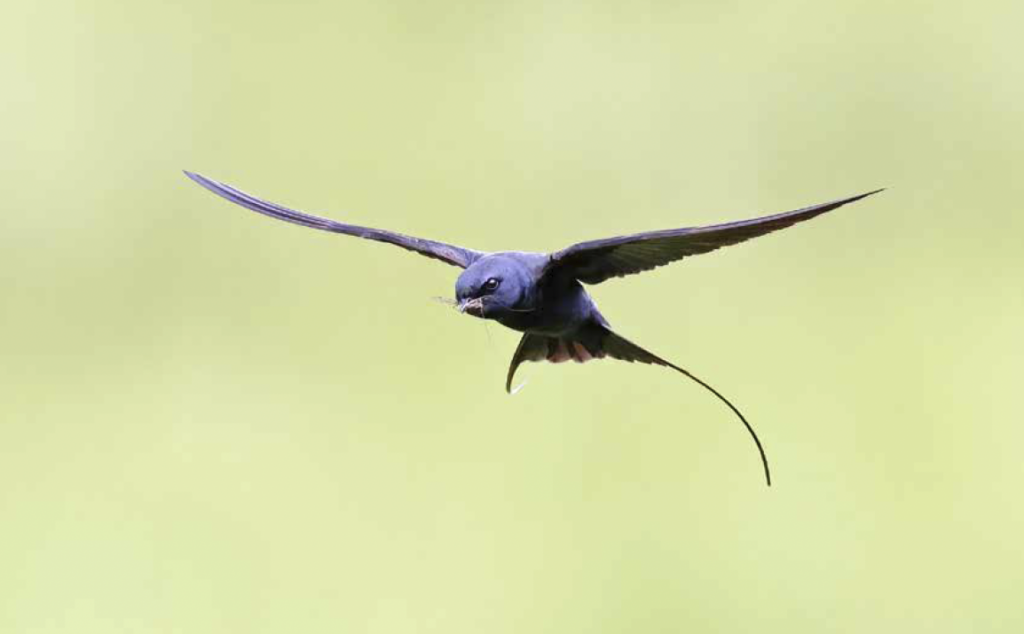
Our News & Views section adds urgency, highlighting declines in forest bird diversity and troubling shifts in Africa’s raptors. Yet there are also signs of resolve, from a new documentary on the protection of Blue Swallows, and the astounding efforts of young conservationists.
Together, these pieces reflect a world in flux. What remains constant is the importance of paying attention and taking action, because it will shape what we choose to protect, and the scale of what is still possible, as proven by the Albatross Task Force.