A major new conservation initiative aimed at strengthening biodiversity protection and community resilience in the Kgalagadi Transfrontier Park was officially launched in Gaborone, Botswana, on 12 May 2026.
The 30-month project, titled Integrated Management for Biodiversity Conservation and Community Resilience in the Kgalagadi Transfrontier Park, is funded by the European Union through the NaturAfrica programme and implemented by African Parks in partnership with the International Union for Conservation of Nature, alongside the governments of Botswana and South Africa.
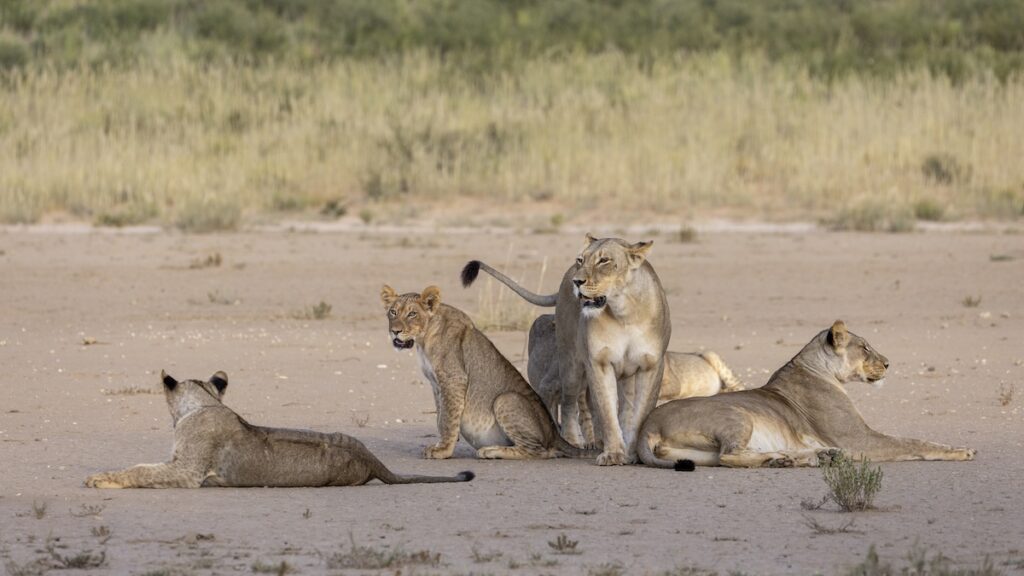
Established more than 25 years ago, the Kgalagadi Transfrontier Park was the first transfrontier conservation area in the Southern African Development Community. Spanning a vast desert landscape of red dunes, fossil riverbeds and open savannah, the park protects one of southern Africa’s most intact arid ecosystems and supports a range of wildlife specially adapted to extreme conditions.
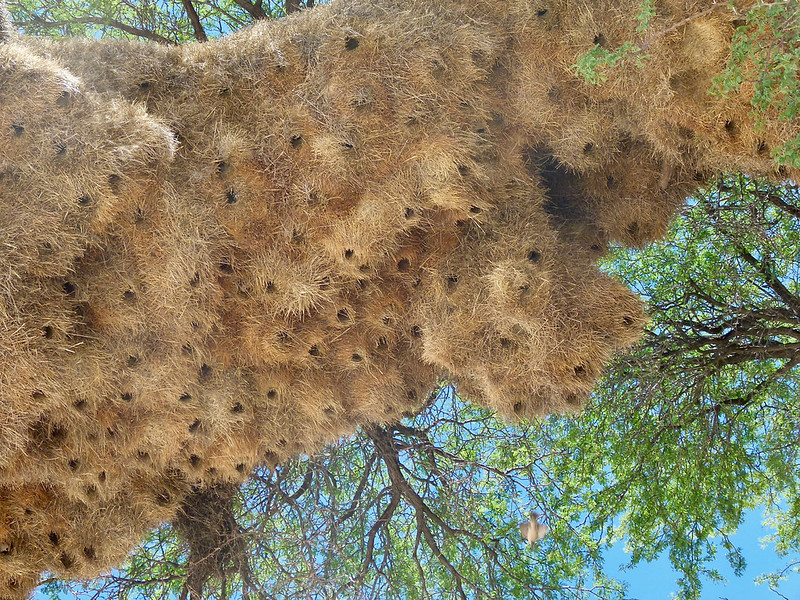
Birdlife is a defining feature of the Kgalagadi ecosystem, with 272 recorded species adapted to the park’s arid conditions. Raptors are particularly prominent, including Pale Chanting Goshawks, Pygmy Falcons and Tawny Eagles, while Sociable Weavers, Namaqua Sandgrouse and crimson-breasted shrikes add to the desert’s distinctive avian character. Seasonal rains bring bursts of productivity, attracting migratory species and transforming the dry riverbeds into important feeding grounds for both resident and nomadic birds.
The project will focus mainly on the Botswana section of the park, while also supporting selected activities in South Africa, including engagement with the ǂKhomani San community. Key priorities include improving park infrastructure and management systems, strengthening land-use and environmental planning, and supporting community-led tourism and conservation initiatives.
Early work will include the development of management plans for four Wildlife Management Areas around the park, as well as tourism and community development plans designed to create sustainable economic opportunities linked to wildlife and tourism.
Speaking at the launch, South African Deputy Minister of Forestry, Fisheries and the Environment Narend Singh described the initiative as “a symbol of peace, cooperation, and shared stewardship”, while Botswana Environment and Tourism Minister Wynter Boipuso Mmolotsi said the project aligned closely with Botswana’s national tourism and economic development strategies.
The European Union has committed €2.5 million to the initiative under its Global Gateway and NaturAfrica programmes. According to EU Ambassador Petra Pereyra, the project aims to strengthen protected area management while creating sustainable opportunities for local communities.
Peter Fearnhead, CEO of African Parks, said the initiative would help ensure the Kgalagadi continues to benefit both wildlife and the people living alongside the park for years to come.